
Malus ‘Golden Hornet’ Crab Apple
Price range: £320.00 through £450.00
Frequently Bought Together



Description
Quick Facts
- Common Name: Golden Hornet Crab Apple
- Botanical Name: Malus ‘Golden Hornet’
- Plant Type: Deciduous ornamental & fruiting tree
- Mature Height: 4–6m (as a standard tree; can be kept smaller with pruning or on dwarfing rootstock)
- Mature Spread: 3–4m
- Flowering Period: April to May
- Flower Colour: White, opening from pink buds
- Fruit: Small, bright yellow crab apples; highly ornamental, excellent for jelly; persist well into winter
- Foliage: Mid-green, turning yellow in autumn
- Hardiness: RHS H6 (hardy throughout UK & Ireland)
- Soil Requirements: Moist, well-drained, moderately fertile
- Aspect: Full sun to partial shade
- Maintenance: Low to moderate (annual pruning to maintain form)
Description
Malus ‘Golden Hornet’ is a classic crab apple, renowned for its abundant spring blossom and spectacular display of golden-yellow fruit that lights up the garden through autumn and well into winter. In April and May, the tree is covered in clouds of white flowers, each opening from delicate pink buds and attracting pollinators in abundance. As summer fades, the tree produces masses of small, bright yellow crab apples that persist long after the leaves have fallen, bringing colour and wildlife value to the winter garden.
‘Golden Hornet’ is a robust, disease-resistant variety, thriving in most Irish and UK gardens. Its upright, spreading habit makes it ideal as a specimen tree for lawns, borders, or as a feature in smaller spaces. The fruits are not only beautiful but also perfect for making crab apple jelly and are a valuable food source for birds.
With its reliable performance, strong seasonal interest, and adaptability to a range of soils, ‘Golden Hornet’ is a superb choice for both traditional and contemporary gardens.
Caragh Garden Notebook
Planting:
Space trees 3–4m apart for standards. Plant bare-root or container-grown trees in late autumn to early spring (November–March). Choose a sunny, sheltered site with fertile, well-drained soil. Avoid waterlogged areas and frost pockets. Dig a generous hole, incorporate well-rotted compost, and plant at the same depth as in the nursery. Firm soil, water well, and mulch to retain moisture.
Space trees 3–4m apart for standards. Plant bare-root or container-grown trees in late autumn to early spring (November–March). Choose a sunny, sheltered site with fertile, well-drained soil. Avoid waterlogged areas and frost pockets. Dig a generous hole, incorporate well-rotted compost, and plant at the same depth as in the nursery. Firm soil, water well, and mulch to retain moisture.
Soil Preparation:
Prefers moderately fertile, moist but well-drained soil; pH 6.0–7.0 is ideal. Improve poor soils with compost or well-rotted manure before planting.
Prefers moderately fertile, moist but well-drained soil; pH 6.0–7.0 is ideal. Improve poor soils with compost or well-rotted manure before planting.
Pruning & Care:
Minimal pruning is needed—remove any dead, damaged, or crossing branches in late winter or early spring. Lightly thin the crown to maintain shape and good airflow.
Minimal pruning is needed—remove any dead, damaged, or crossing branches in late winter or early spring. Lightly thin the crown to maintain shape and good airflow.
Fruit Use:
The small, golden fruits are ideal for making crab apple jelly and provide a splash of colour well into winter. Leave some fruit for birds and seasonal interest.
The small, golden fruits are ideal for making crab apple jelly and provide a splash of colour well into winter. Leave some fruit for birds and seasonal interest.
Pests & Problems:
Generally reliable and disease resistant, but watch for aphids and apple scab. Good hygiene and regular checks help keep trees healthy.
Generally reliable and disease resistant, but watch for aphids and apple scab. Good hygiene and regular checks help keep trees healthy.
Related products
-

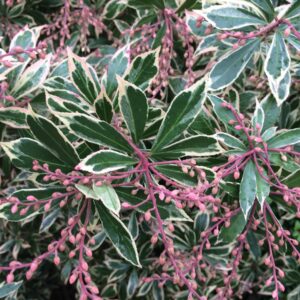
Pieris jap. Little Heath
£25.00 Select options This product has multiple variants. The options may be chosen on the product page -
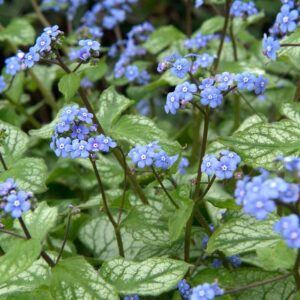
Brunnera macrophylla Jack Frost
£15.00 Select options This product has multiple variants. The options may be chosen on the product page -
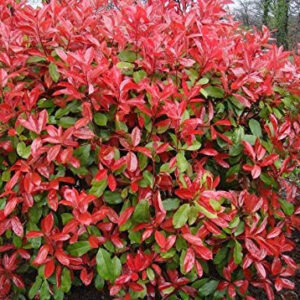
Photinia serr. Red Robin Compacta
£150.00 Select options This product has multiple variants. The options may be chosen on the product page -
Magnolia x loebneri ‘Leonard Messel’
Price range: £45.00 through £550.00 Select options This product has multiple variants. The options may be chosen on the product page