Cryptomeria japonica vilmoriniana
£25.00
Frequently Bought Together


Description
Quick Facts
- Common Name: Dwarf Japanese Cedar, Vilmorin’s Cryptomeria
- Botanical Name: Cryptomeria japonica ‘Vilmoriniana’
- Plant Type: Evergreen conifer shrub
- Mature Height: 0.6–1m (slow growing)
- Mature Spread: 0.8–1.2m
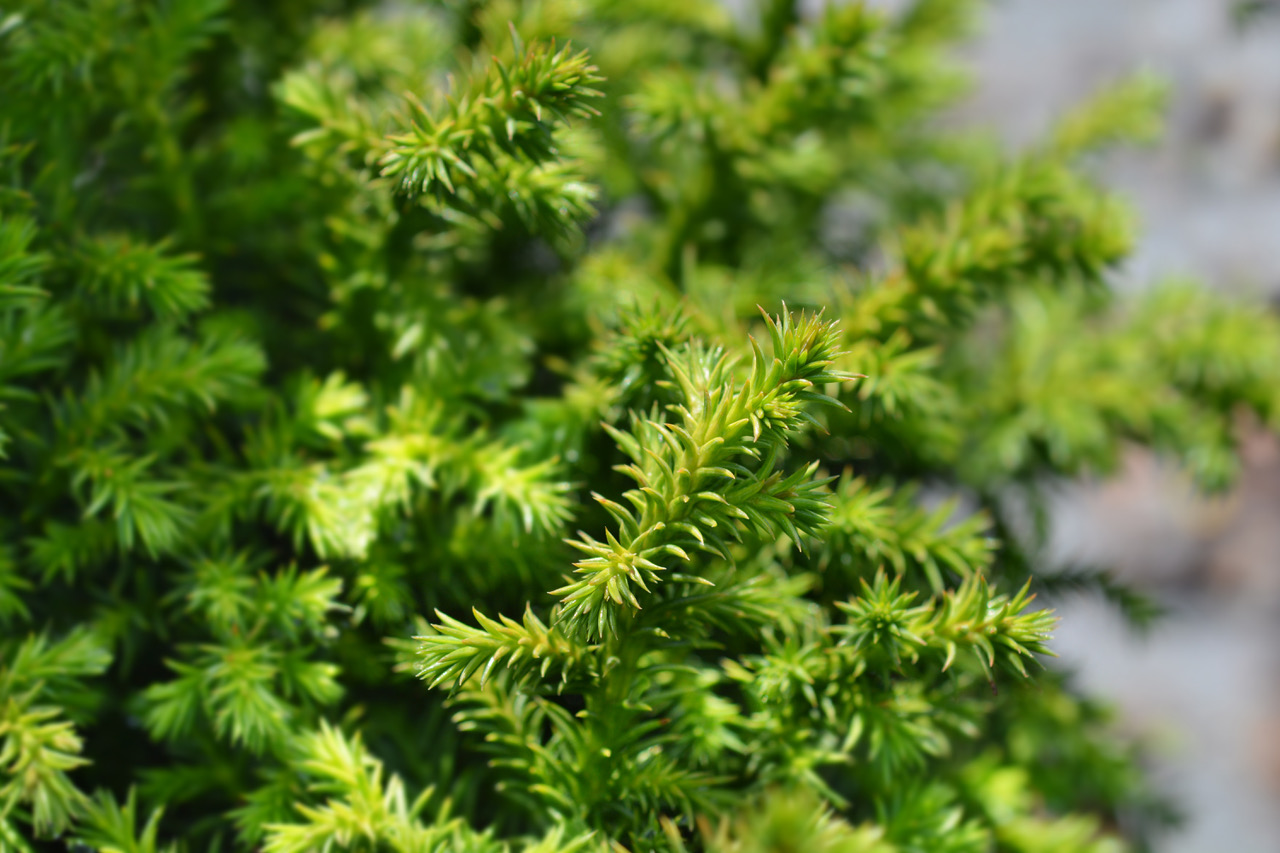
- Foliage: Dense, soft needle-like foliage; rich green in summer, often turning bronze to purple-bronze in winter
- Hardiness: RHS H6 (hardy throughout UK & Ireland)
- Soil Requirements: Moist, well-drained soil; prefers slightly acidic to neutral
- Aspect: Full sun to partial shade (best colour in sun)
- Maintenance: Low
Description
Cryptomeria japonica ‘Vilmoriniana’ is one of those plants that quietly makes everything around it look more considered. Compact, dense, and beautifully rounded, it forms a neat evergreen mound of soft, feathery foliage—perfect for adding structure without heaviness, and texture without fuss.
In spring and summer, the foliage is a rich, fresh green, packed tightly along short shoots to create a cushiony, almost cloud-like shape. Then, as temperatures drop, the colour deepens and often takes on warm bronze to purple-bronze tones, bringing subtle winter colour just when the garden needs it most. It’s a gorgeous little conifer for year-round interest, and a brilliant choice if you love plants that look “designed” but still feel natural.
Slow growing and naturally tidy, ‘Vilmoriniana’ is ideal for smaller gardens, gravel gardens, rockeries, Japanese-inspired planting, and container displays. It also works beautifully in mixed borders as a grounding evergreen that makes flowering plants look even more vibrant.
Caragh Garden Notebook
Planting:
- Space plants around 80cm–1m apart to allow them to form full, rounded mounds.
- Plant container-grown specimens year-round, ideally in spring (March–May) or early autumn (September–October).
- Choose a position in full sun to partial shade—full sun encourages the best winter bronzing and the tightest habit.
- Dig a hole twice the width of the pot, loosen the soil, and mix in organic matter to help moisture retention and root establishment.
- Plant at the same depth as in the pot, firm in gently, water well, and mulch.
Soil Preparation:
- Prefers moist, well-drained soil and dislikes extremes (very dry or waterlogged ground).
- Best in slightly acidic to neutral soil; in very alkaline soils, improve with organic matter and consider an ericaceous compost blend when planting.
- Improve heavy clay with compost and grit to aid drainage; improve sandy soils with compost to hold moisture.
- Mulch annually to keep roots cool and evenly moist.
Container Growing:
- Excellent in pots and planters. Use a large container with good drainage holes.
- Use a quality compost (a mix including ericaceous compost works well if your soil/water is alkaline).
- Water regularly—don’t let the compost dry out completely, especially in summer.
- Top-dress in spring with fresh compost and a slow-release fertiliser suitable for conifers
- Very low maintenance—no pruning required to keep its natural shape.
- If you need to tidy, lightly trim in late spring, but avoid cutting into old wood.
- Water during prolonged dry spells, particularly in the first 1–2 years after planting.
- Protect from drying winds in very exposed sites (winter wind can scorch foliage). Perfect as a “resting point” in borders—use it to break up flowering colour and add structure. Gorgeous with grasses, heathers, ferns, hellebores, and spring bulbs. Brilliant in gravel gardens and Japanese-style planting schemes
Related products
-

Acer campestre Elsrijk
Price range: £210.00 through £780.00 Select options This product has multiple variants. The options may be chosen on the product page -
Dabeoecia cantabrica angelina
£20.00 Select options This product has multiple variants. The options may be chosen on the product page -
Acer palmatum Atropurpureum
£120.00 Select options This product has multiple variants. The options may be chosen on the product page -
Acer Crimson Sentry High Standard Twisted Stem
£360.00 Select options This product has multiple variants. The options may be chosen on the product page