Dabeoecia cantabrica angelina
£20.00
Frequently Bought Together


Description
Quick Facts
- Common Name: Irish Heath, St Dabeoc’s Heath
- Botanical Name: Daboecia cantabrica ‘Angelina’
- Plant Type: Evergreen shrub (heath)
- Mature Height: 30–45cm
- Mature Spread: 45–60cm
- Flowering Period: June to October (often into early autumn)
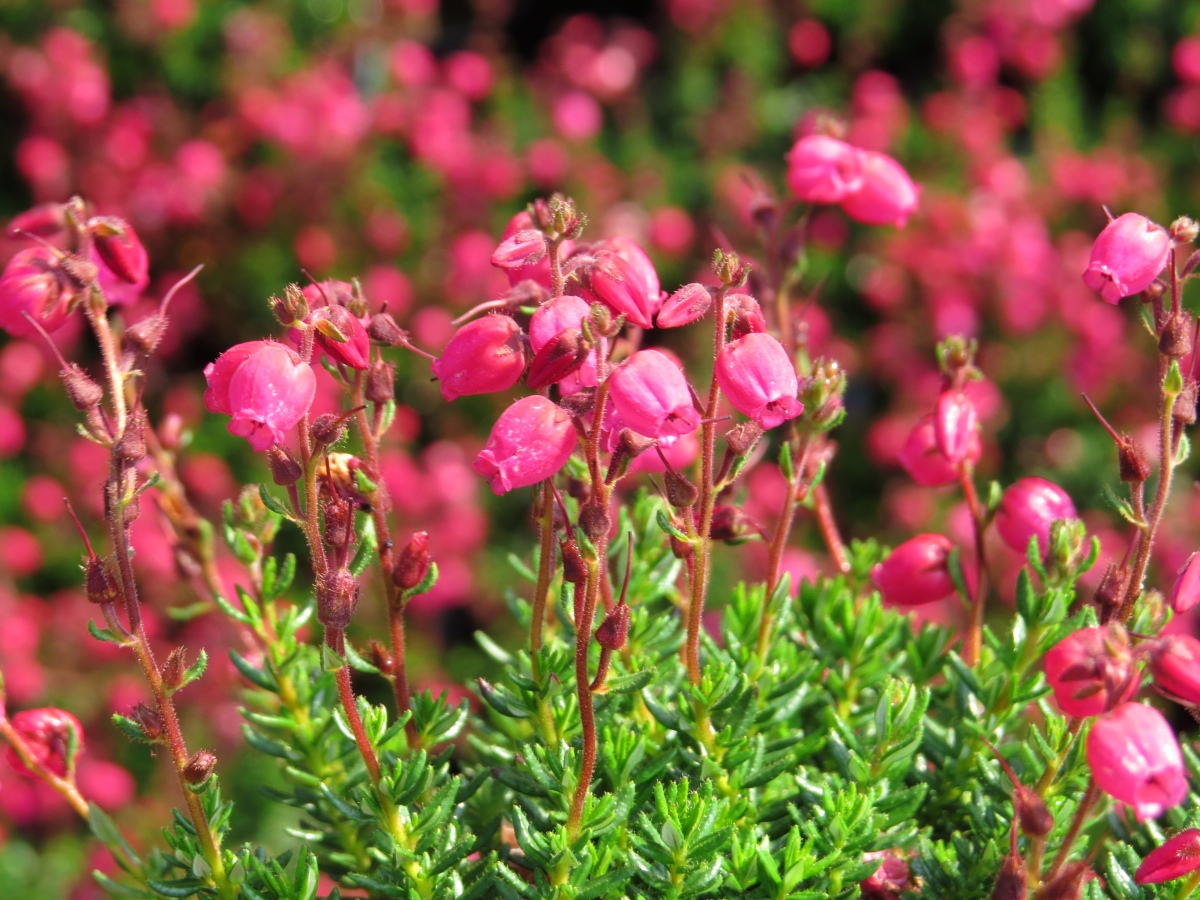
- Flower Colour: Soft pink, bell-shaped flowers
- Foliage: Small, glossy dark green leaves with paler undersides; neat, compact habit
- Hardiness: RHS H5 (hardy in most of UK & Ireland)
- Soil Requirements: Acidic, well-drained soil (ericaceous)
- Aspect: Full sun to partial shade
- Maintenance: Low
Description
Daboecia cantabrica ‘Angelina’ is a little evergreen treasure—an Irish heath with a long flowering season and a naturally neat habit that makes it perfect for borders, rockeries, and containers. It brings that special kind of colour that feels soft and romantic rather than loud: delicate pink bells held above glossy foliage, appearing in generous waves from early summer right through to autumn.
Unlike many shrubs that give you a brief moment and then fade into the background, ‘Angelina’ keeps going. It’s a brilliant plant for adding continuity to a planting scheme—flowering when spring bulbs have finished and still performing when late summer perennials begin to tire. The evergreen foliage stays tidy all year, creating a compact mound that looks good in every season and gives structure even in winter.
This is a particularly lovely choice for Irish and UK gardens where acidic soil is common, and it’s ideal for pairing with other ericaceous favourites such as heathers, rhododendrons, azaleas, camellias, and blueberries. It also looks stunning in gravel gardens and coastal planting, where its fine texture and long bloom season really shine.
Caragh Garden Notebook
Planting:
Space plants 40–50cm apart for a full, knitted look. Plant container-grown specimens in spring (March–May) or early autumn (September) for best establishment. Choose a position in full sun to partial shade—full sun gives the best flowering, but a little shade is fine (especially in hotter, drier spots). Dig a hole twice the width of the pot and plant into ericaceous compost, or improve the planting area with plenty of ericaceous material if your soil is not naturally acidic. Plant at the same depth as in the pot, firm in gently, water well, and mulch with an ericaceous mulch (pine bark is ideal).
Space plants 40–50cm apart for a full, knitted look. Plant container-grown specimens in spring (March–May) or early autumn (September) for best establishment. Choose a position in full sun to partial shade—full sun gives the best flowering, but a little shade is fine (especially in hotter, drier spots). Dig a hole twice the width of the pot and plant into ericaceous compost, or improve the planting area with plenty of ericaceous material if your soil is not naturally acidic. Plant at the same depth as in the pot, firm in gently, water well, and mulch with an ericaceous mulch (pine bark is ideal).
Soil Preparation:
Acidic soil is essential (aim for pH 4.5–6.0). Needs well-drained conditions—avoid heavy, waterlogged clay. Improve drainage with grit if needed, and enrich with ericaceous compost to maintain acidity. Mulch annually with pine bark or leaf mould to conserve moisture and keep roots cool.
Acidic soil is essential (aim for pH 4.5–6.0). Needs well-drained conditions—avoid heavy, waterlogged clay. Improve drainage with grit if needed, and enrich with ericaceous compost to maintain acidity. Mulch annually with pine bark or leaf mould to conserve moisture and keep roots cool.
Container Growing:
Excellent in pots. Use a container with good drainage holes and fill with ericaceous compost. Water with rainwater if possible, especially in hard-water areas, to help maintain the right soil pH. Keep compost evenly moist but never waterlogged. Feed in spring with an ericaceous fertiliser.
Excellent in pots. Use a container with good drainage holes and fill with ericaceous compost. Water with rainwater if possible, especially in hard-water areas, to help maintain the right soil pH. Keep compost evenly moist but never waterlogged. Feed in spring with an ericaceous fertiliser.
Seasonal Care:
Very low maintenance. Lightly trim after flowering (or in early spring) to keep the plant compact and encourage fresh growth. Avoid cutting into old, woody stems. Water during prolonged dry spells, particularly in the first year and for plants in containers. Remove spent flowers if you want a tidier look, though it’s not essential.
Very low maintenance. Lightly trim after flowering (or in early spring) to keep the plant compact and encourage fresh growth. Avoid cutting into old, woody stems. Water during prolonged dry spells, particularly in the first year and for plants in containers. Remove spent flowers if you want a tidier look, though it’s not essential.
Pests & Problems:
Generally trouble-free. The main issue is soil that’s too alkaline or too wet—both can cause poor growth and yellowing leaves. Good drainage and ericaceous conditions are the key to success.
Generally trouble-free. The main issue is soil that’s too alkaline or too wet—both can cause poor growth and yellowing leaves. Good drainage and ericaceous conditions are the key to success.
Propagation:
Propagate from semi-ripe cuttings in late summer. (Nursery plants give the quickest, most reliable results.)
Propagate from semi-ripe cuttings in late summer. (Nursery plants give the quickest, most reliable results.)
Related products
-

Erodium var. Bishops Form
£8.50 Select options This product has multiple variants. The options may be chosen on the product page -
Acaena intermis Purpurea
£15.00 Select options This product has multiple variants. The options may be chosen on the product page -
Astilbe Peach Blossom
£8.50 Select options This product has multiple variants. The options may be chosen on the product page -
Enkianthus campanulatus Specimen
£900.00 Select options This product has multiple variants. The options may be chosen on the product page