Ilex aquifolium ‘Alaska’ (English Holly)
£22.00
Frequently Bought Together

Description
Quick Facts
- Common Name: Holly, English Holly, Alaska Holly
- Botanical Name: Ilex aquifolium ‘Alaska’
- Plant Type: Evergreen shrub / small tree
- Mature Height: 4–8m (can be kept smaller with pruning)
- Mature Spread: 2–4m
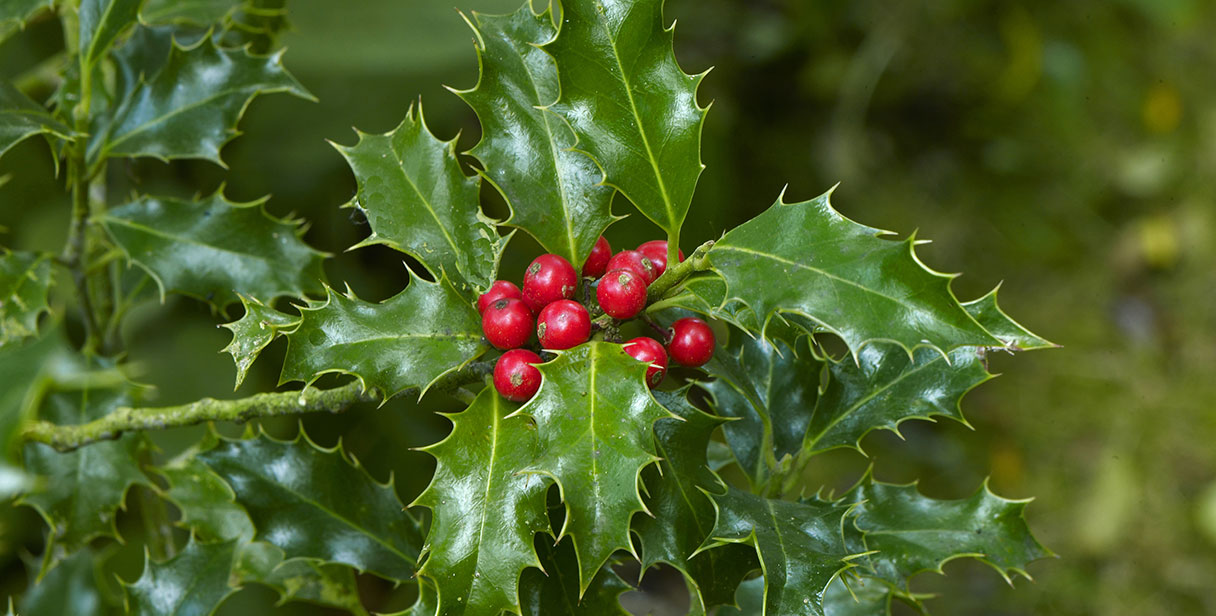
- Foliage: Glossy, deep green, spiny leaves; excellent year-round structure
- Flowers: Small white flowers in late spring (May to June)
- Berries: Red berries may form if a suitable pollinator is nearby (this cultivar is typically male)
- Hardiness: RHS H6 (hardy throughout UK & Ireland)
- Soil Requirements: Moist, well-drained soil; adaptable
- Aspect: Full sun to partial shade
- Maintenance: Low to moderate (pruning optional)
Description
Ilex aquifolium ‘Alaska’ is a classic, richly green holly with a strong, upright habit and beautifully glossy foliage that holds its colour all year. It’s one of the best choices when you want that traditional holly look—dense, architectural, and unmistakably evergreen—whether you’re planting for structure in a mixed border, creating a handsome hedge, or training it into a small tree.
The leaves are deep green and highly polished, with the familiar holly spines that give it texture and presence even from a distance. In late spring, small white flowers appear, and while ‘Alaska’ is typically a male cultivar (so it won’t usually carry berries itself), it plays an important role in the garden by helping pollinate nearby female hollies, supporting berry production on those plants.
Hardy and dependable in Irish and UK gardens, ‘Alaska’ is tolerant of a wide range of soils and conditions once established. It’s also a brilliant choice for privacy and shelter, creating a dense evergreen screen that looks good in every season—and especially in winter, when the garden needs backbone most.
Caragh Garden Notebook
Planting:
Space plants 1.5–2.5m apart for screening, or closer (60cm–1m) for hedging depending on the size you’re planting and how quickly you want coverage. Plant container-grown specimens year-round, ideally in spring (March–May) or early autumn (September–October). Choose a position in full sun to partial shade—full sun encourages denser growth, while partial shade is ideal in exposed gardens. Dig a generous hole, loosen the soil well, and incorporate compost to support establishment. Plant at the same depth as in the pot, firm in gently, water thoroughly, and mulch.
Space plants 1.5–2.5m apart for screening, or closer (60cm–1m) for hedging depending on the size you’re planting and how quickly you want coverage. Plant container-grown specimens year-round, ideally in spring (March–May) or early autumn (September–October). Choose a position in full sun to partial shade—full sun encourages denser growth, while partial shade is ideal in exposed gardens. Dig a generous hole, loosen the soil well, and incorporate compost to support establishment. Plant at the same depth as in the pot, firm in gently, water thoroughly, and mulch.
Soil Preparation:
Prefers moist, well-drained soil but is adaptable. Tolerates clay, loam, and sandy soils as long as drainage is reasonable. Improve heavy clay with organic matter to aid drainage; improve sandy soils with compost to retain moisture. Mulch annually to conserve moisture and improve soil structure.
Prefers moist, well-drained soil but is adaptable. Tolerates clay, loam, and sandy soils as long as drainage is reasonable. Improve heavy clay with organic matter to aid drainage; improve sandy soils with compost to retain moisture. Mulch annually to conserve moisture and improve soil structure.
Seasonal Care / Pruning:
Low maintenance. Water during dry spells in the first 1–2 years while establishing. Once established, it’s fairly tolerant. Prune in late spring or late summer if you want to maintain a neat hedge or shape. Avoid hard pruning in late autumn, as fresh growth can be vulnerable to cold snaps. Wear gloves when pruning—those spines are sharp.
Low maintenance. Water during dry spells in the first 1–2 years while establishing. Once established, it’s fairly tolerant. Prune in late spring or late summer if you want to maintain a neat hedge or shape. Avoid hard pruning in late autumn, as fresh growth can be vulnerable to cold snaps. Wear gloves when pruning—those spines are sharp.
Berries & Pollination:
‘Alaska’ is generally considered male, so it won’t typically produce berries. If you want red berries in the garden, plant a female holly nearby and keep a male pollinator within range. Even without berries, ‘Alaska’ is outstanding for evergreen structure and screening.
‘Alaska’ is generally considered male, so it won’t typically produce berries. If you want red berries in the garden, plant a female holly nearby and keep a male pollinator within range. Even without berries, ‘Alaska’ is outstanding for evergreen structure and screening.
Pests & Problems:
Generally trouble-free. Watch for holly leaf miner (blistering trails in leaves) and scale insects in mild conditions. Good airflow and overall plant health help prevent issues.
Generally trouble-free. Watch for holly leaf miner (blistering trails in leaves) and scale insects in mild conditions. Good airflow and overall plant health help prevent issues.
Design Notes:
Perfect for evergreen hedging, screening, and winter structure. Looks beautiful with yew, skimmia, viburnum, and winter-flowering hellebores, and it’s excellent for more formal garden shapes too.
Perfect for evergreen hedging, screening, and winter structure. Looks beautiful with yew, skimmia, viburnum, and winter-flowering hellebores, and it’s excellent for more formal garden shapes too.
Related products
-

Ilex Nellie Stevens Specimen Cones
Price range: £875.00 through £1,800.00 Select options This product has multiple variants. The options may be chosen on the product page -
Arbutus unedo / Strawberry Tree
Price range: £20.00 through £395.00 Select options This product has multiple variants. The options may be chosen on the product page -
Arbutus unedo / Strawberry Tree Standard and Half Standards
Price range: £240.00 through £4,300.00 Select options This product has multiple variants. The options may be chosen on the product page -
Ceanothus Victoria
£9.50 Select options This product has multiple variants. The options may be chosen on the product page