Malus domestica ‘limelight’
£30.00
Frequently Bought Together
Description
Quick Facts
- Common Name: Limelight Apple
- Botanical Name: Malus domestica ‘Limelight’
- Plant Type: Deciduous fruit tree
- Mature Height: 3–4m (as a standard tree; can be kept smaller with pruning or on dwarfing rootstock)
- Mature Spread: 2.5–3.5m
- Flowering Period: April to May
- Flower Colour: White to pale pink
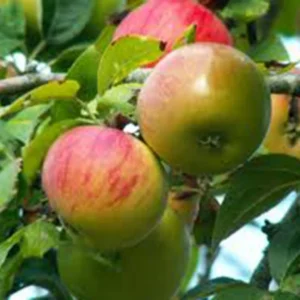
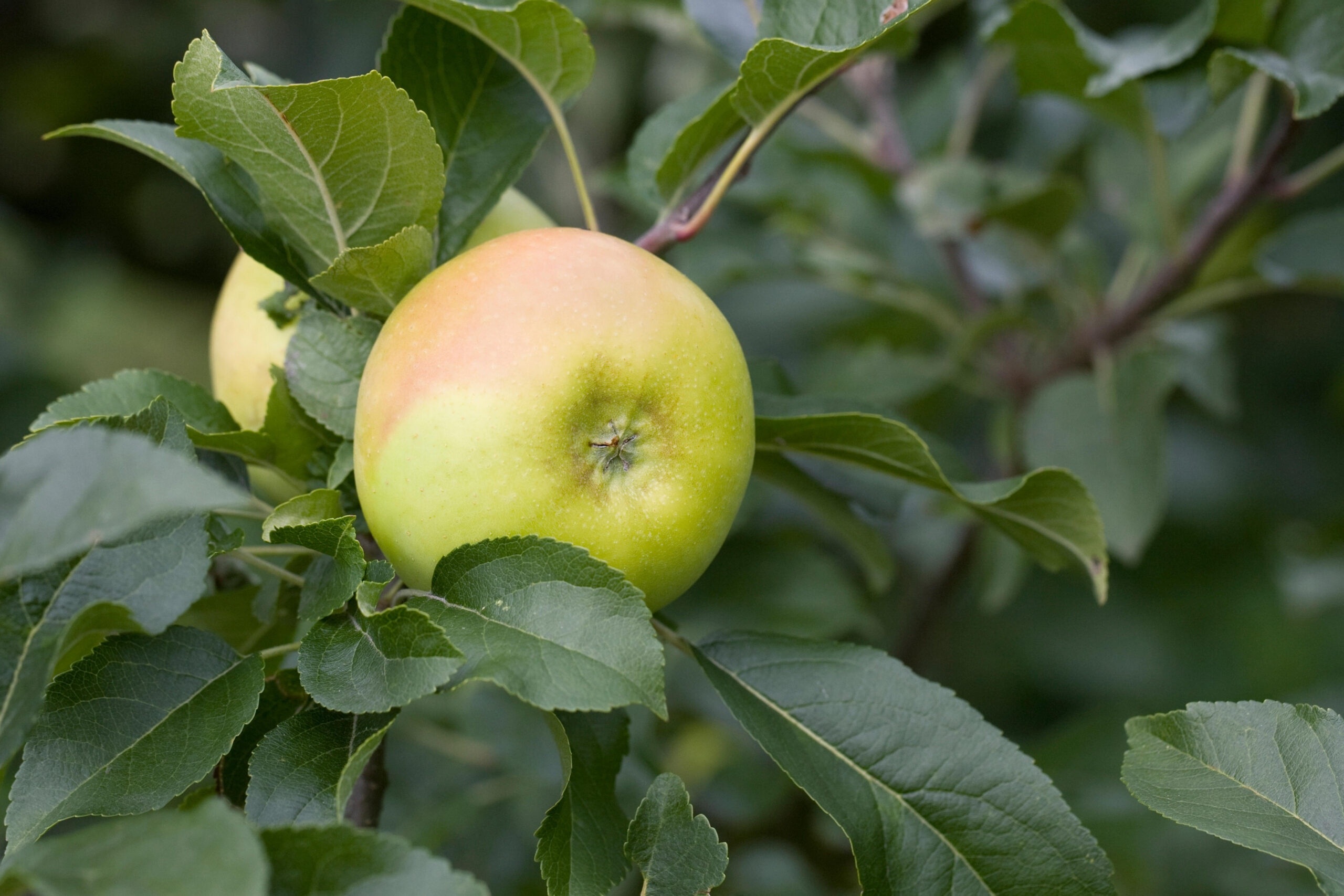
- Fruit: Medium to large, bright green apples with a hint of golden flush; crisp, juicy, sweet-sharp flavour; harvest September
- Foliage: Mid-green, turning yellow in autumn
- Hardiness: RHS H6 (hardy throughout UK & Ireland)
- Soil Requirements: Moist, well-drained, moderately fertile
- Aspect: Full sun (essential for best fruiting and colour)
- Maintenance: Moderate (annual pruning and thinning recommended)
Description
Malus domestica ‘Limelight’ is a modern, easy-to-grow apple variety that truly lives up to its name—producing a vibrant crop of crisp, juicy apples that bring a splash of brightness to the garden and the fruit bowl. Its fruit is medium to large, with a glowing green skin sometimes touched with a golden blush, and a sweet-sharp flavour that’s refreshing eaten fresh and excellent for juicing or desserts.
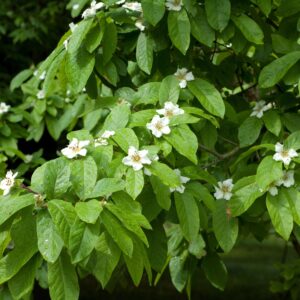
In spring, ‘Limelight’ is covered in clusters of white to pale pink blossom, attracting pollinators and lighting up the orchard or border. The tree has a neat, upright habit and is known for its reliable cropping and disease resistance, making it a brilliant choice for Irish and UK gardens. Limelight apples are ready to pick in September, offering an early harvest and a welcome change from the more common red or yellow varieties.
Partially self-fertile, ‘Limelight’ will crop more heavily with a compatible pollination partner (group 3—such as ‘Discovery’, ‘James Grieve’, or ‘Fiesta’) nearby. With its combination of beauty, productivity, and easy care, it’s ideal for family gardens, small orchards, or as a feature tree in a sunny spot.
Caragh Garden Notebook
Planting:
Space trees 2.5–3.5m apart for standards, or closer for cordons/espaliers. Plant bare-root or container-grown trees in late autumn to early spring (November–March). Choose a sunny, sheltered site with fertile, well-drained soil. Avoid frost pockets and waterlogged areas. Dig a generous hole, incorporate well-rotted compost, and plant at the same depth as in the nursery. Firm soil, water well, and mulch to retain moisture.
Space trees 2.5–3.5m apart for standards, or closer for cordons/espaliers. Plant bare-root or container-grown trees in late autumn to early spring (November–March). Choose a sunny, sheltered site with fertile, well-drained soil. Avoid frost pockets and waterlogged areas. Dig a generous hole, incorporate well-rotted compost, and plant at the same depth as in the nursery. Firm soil, water well, and mulch to retain moisture.
Soil Preparation:
Prefers moderately fertile, moist but well-drained soil; pH 6.0–7.0 is ideal. Improve poor soils with compost or well-rotted manure before planting.
Prefers moderately fertile, moist but well-drained soil; pH 6.0–7.0 is ideal. Improve poor soils with compost or well-rotted manure before planting.
Pruning & Care:
Prune annually in late winter or early spring to maintain shape, encourage fruiting spurs, and remove any dead or congested growth. Thin fruit in early summer to promote larger, healthier apples and reduce the risk of biennial bearing.
Prune annually in late winter or early spring to maintain shape, encourage fruiting spurs, and remove any dead or congested growth. Thin fruit in early summer to promote larger, healthier apples and reduce the risk of biennial bearing.
Pollination:
‘Limelight’ is partially self-fertile but will crop best with a pollination partner from group 3 (such as ‘Discovery’, ‘James Grieve’, or ‘Fiesta’).
‘Limelight’ is partially self-fertile but will crop best with a pollination partner from group 3 (such as ‘Discovery’, ‘James Grieve’, or ‘Fiesta’).
Harvesting:
Pick fruit in September when apples are fully coloured and come away easily from the branch. Best enjoyed fresh, but can be stored for a few weeks in a cool, dry place.
Pick fruit in September when apples are fully coloured and come away easily from the branch. Best enjoyed fresh, but can be stored for a few weeks in a cool, dry place.
Pests & Problems:
Generally reliable and disease resistant, but watch for aphids, apple scab, and codling moth. Good hygiene and regular checks help keep trees healthy.
Generally reliable and disease resistant, but watch for aphids, apple scab, and codling moth. Good hygiene and regular checks help keep trees healthy.
Propagation:
Not typically divided; propagate by grafting in winter for more trees.
Not typically divided; propagate by grafting in winter for more trees.
Related products
-

Vitis vinifera / Grape Vine – Gnarled Trunk – 20-25cm Girth 3/4 Standard Tree
£450.00 Select options This product has multiple variants. The options may be chosen on the product page -
Ficus carica Napolitana
£120.00 Select options This product has multiple variants. The options may be chosen on the product page -
Mespilus Germanica Westerveld specimen multistem
£470.00 Select options This product has multiple variants. The options may be chosen on the product page -
Malus domestica ‘sunrise’
£30.00 Select options This product has multiple variants. The options may be chosen on the product page