Prunus domestica ‘czar’
£30.00
Frequently Bought Together
Description
Quick Facts
- Common Name: Czar Plum
- Botanical Name: Prunus domestica ‘Czar’
- Plant Type: Deciduous fruit tree
- Mature Height: 3–4m (can be kept smaller with pruning or on dwarfing rootstock)
- Mature Spread: 2.5–3.5m
- Flowering Period: March to April
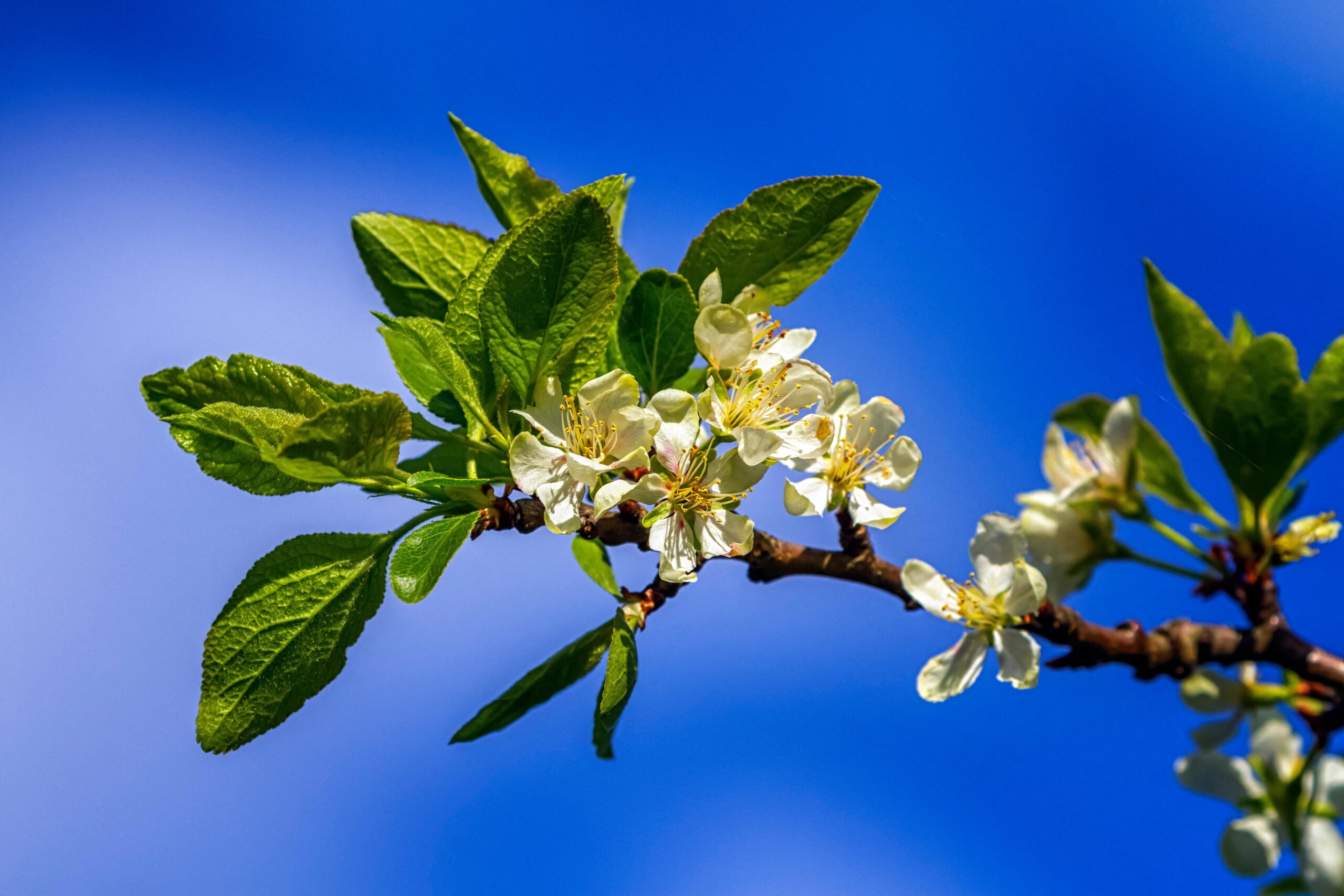
- Flower Colour: White
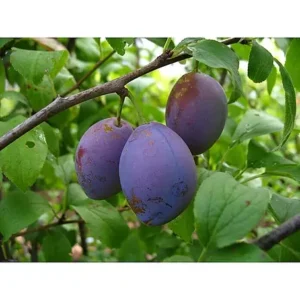
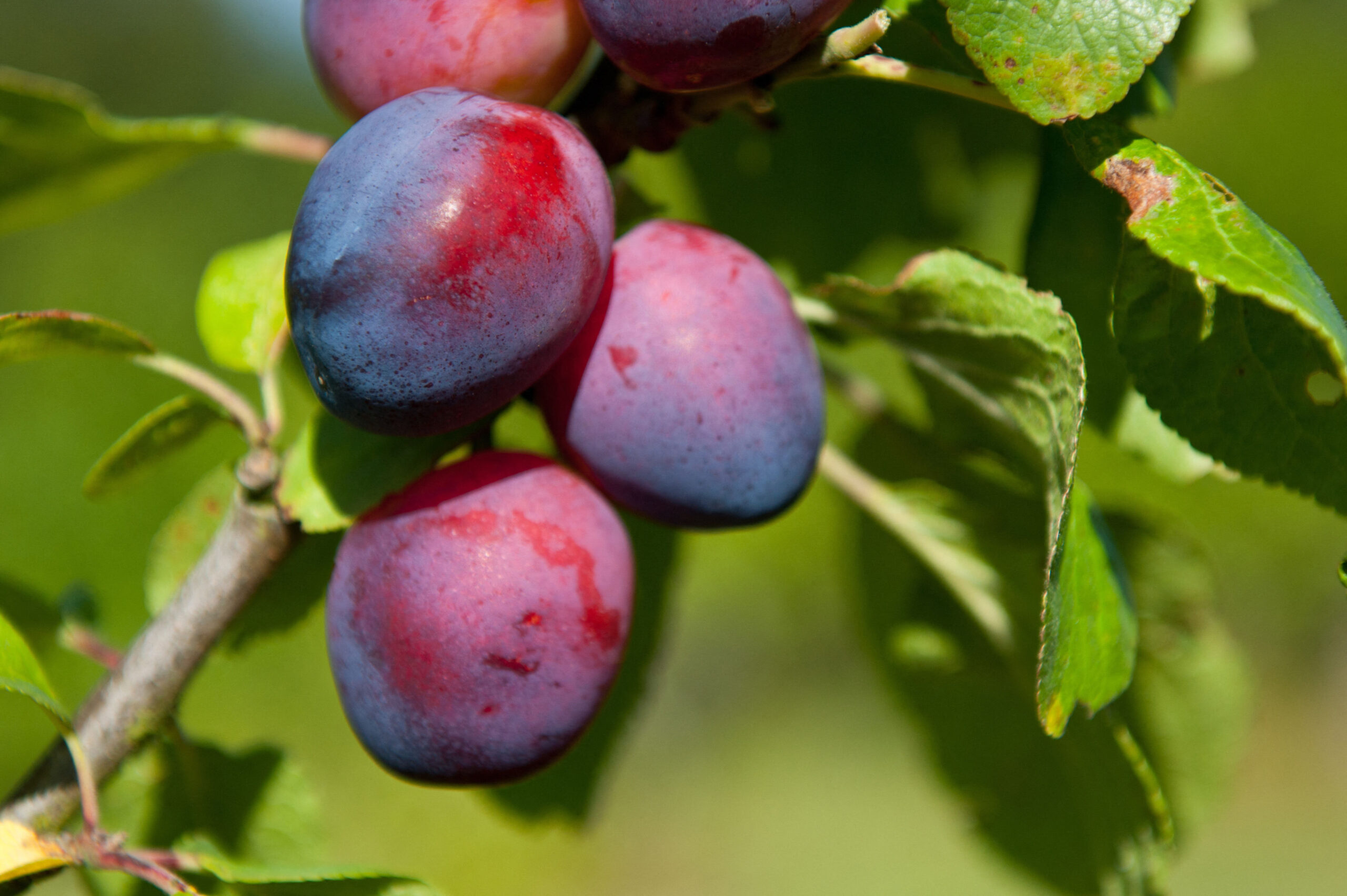
- Fruit: Medium-sized, deep purple-blue plums with golden-yellow flesh; juicy, tangy-sweet flavour; harvest late July to early August
- Foliage: Mid-green, turning yellow in autumn
- Hardiness: RHS H6 (hardy throughout UK & Ireland)
- Soil Requirements: Moist, well-drained, moderately fertile
- Aspect: Full sun (essential for best fruiting and flavour)
- Maintenance: Moderate (annual pruning, thinning, netting for birds)
Description
Prunus domestica ‘Czar’ is a classic early-season plum, renowned for its reliable cropping and versatility in the kitchen. The medium-sized fruit ripens to a rich purple-blue and is packed with golden-yellow flesh—juicy, tangy, and sweet, making it perfect for eating fresh, cooking, or making jams and preserves. ‘Czar’ is especially valued for its ability to crop well even in cooler, less sheltered gardens, thriving where many other plums may struggle.
In spring, ‘Czar’ is covered in a froth of white blossom, attracting pollinators and providing a beautiful seasonal display. The tree itself is compact and manageable, making it ideal for smaller gardens, family orchards, or even large containers. Plums are ready to harvest from late July into early August, offering one of the first tastes of summer stone fruit.
Self-fertile and easy to grow, ‘Czar’ requires no pollination partner for fruit set, though planting near other plums can increase yields. Its robust health, frost tolerance, and adaptability make it a favourite for both new and experienced gardeners.
Caragh Garden Notebook
Planting:
Space trees 2.5–3.5m apart for standards, or closer for cordons/espaliers. Plant bare-root or container-grown trees in late autumn to early spring (November–March). Choose a sunny, sheltered site with fertile, well-drained soil. Avoid waterlogged areas and frost pockets. Dig a generous hole, incorporate well-rotted compost, and plant at the same depth as in the nursery. Firm soil, water well, and mulch to retain moisture.
Space trees 2.5–3.5m apart for standards, or closer for cordons/espaliers. Plant bare-root or container-grown trees in late autumn to early spring (November–March). Choose a sunny, sheltered site with fertile, well-drained soil. Avoid waterlogged areas and frost pockets. Dig a generous hole, incorporate well-rotted compost, and plant at the same depth as in the nursery. Firm soil, water well, and mulch to retain moisture.
Soil Preparation:
Prefers moderately fertile, moist but well-drained soil; pH 6.0–7.0 is ideal. Improve poor soils with compost or well-rotted manure before planting.
Prefers moderately fertile, moist but well-drained soil; pH 6.0–7.0 is ideal. Improve poor soils with compost or well-rotted manure before planting.
Pruning & Care:
Prune in late summer after fruiting to maintain shape and encourage healthy new growth. Remove any dead, damaged, or crossing branches. Thin fruit in early summer if the crop is heavy, to improve fruit size and quality. Net the tree as fruit ripens to protect from birds.
Prune in late summer after fruiting to maintain shape and encourage healthy new growth. Remove any dead, damaged, or crossing branches. Thin fruit in early summer if the crop is heavy, to improve fruit size and quality. Net the tree as fruit ripens to protect from birds.
Pollination:
‘Czar’ is fully self-fertile—no pollination partner required for fruit set.
‘Czar’ is fully self-fertile—no pollination partner required for fruit set.
Harvesting:
Pick plums from late July to early August when fully coloured and just softening to the touch. Enjoy fresh, or use for cooking, preserves, and desserts.
Pick plums from late July to early August when fully coloured and just softening to the touch. Enjoy fresh, or use for cooking, preserves, and desserts.
Pests & Problems:
Generally reliable and disease resistant. Watch for birds (netting recommended), aphids, and plum moth. Good hygiene and regular checks help keep trees healthy.
Generally reliable and disease resistant. Watch for birds (netting recommended), aphids, and plum moth. Good hygiene and regular checks help keep trees healthy.
Related products
-

Prunus ‘Reine-Claude d’Oullin’s’
£60.00 Select options This product has multiple variants. The options may be chosen on the product page -
Malus domestica ‘Ingrid Marie’
£30.00 Select options This product has multiple variants. The options may be chosen on the product page -
Malus domestica ‘fiesta’
£30.00 Select options This product has multiple variants. The options may be chosen on the product page -
Prunus domestica
£285.00 Select options This product has multiple variants. The options may be chosen on the product page