Malus ‘John Downie’
Frequently Bought Together
Description
Quick Facts
- Common Name: John Downie Crab Apple
- Botanical Name: Malus ‘John Downie’
- Plant Type: Deciduous ornamental & fruiting tree
- Form: Half-standard (clear stem with rounded head)
- Mature Height: 3–4m (half-standard form; can be pruned to shape)
- Mature Spread: 2.5–3m
- Flowering Period: April to May
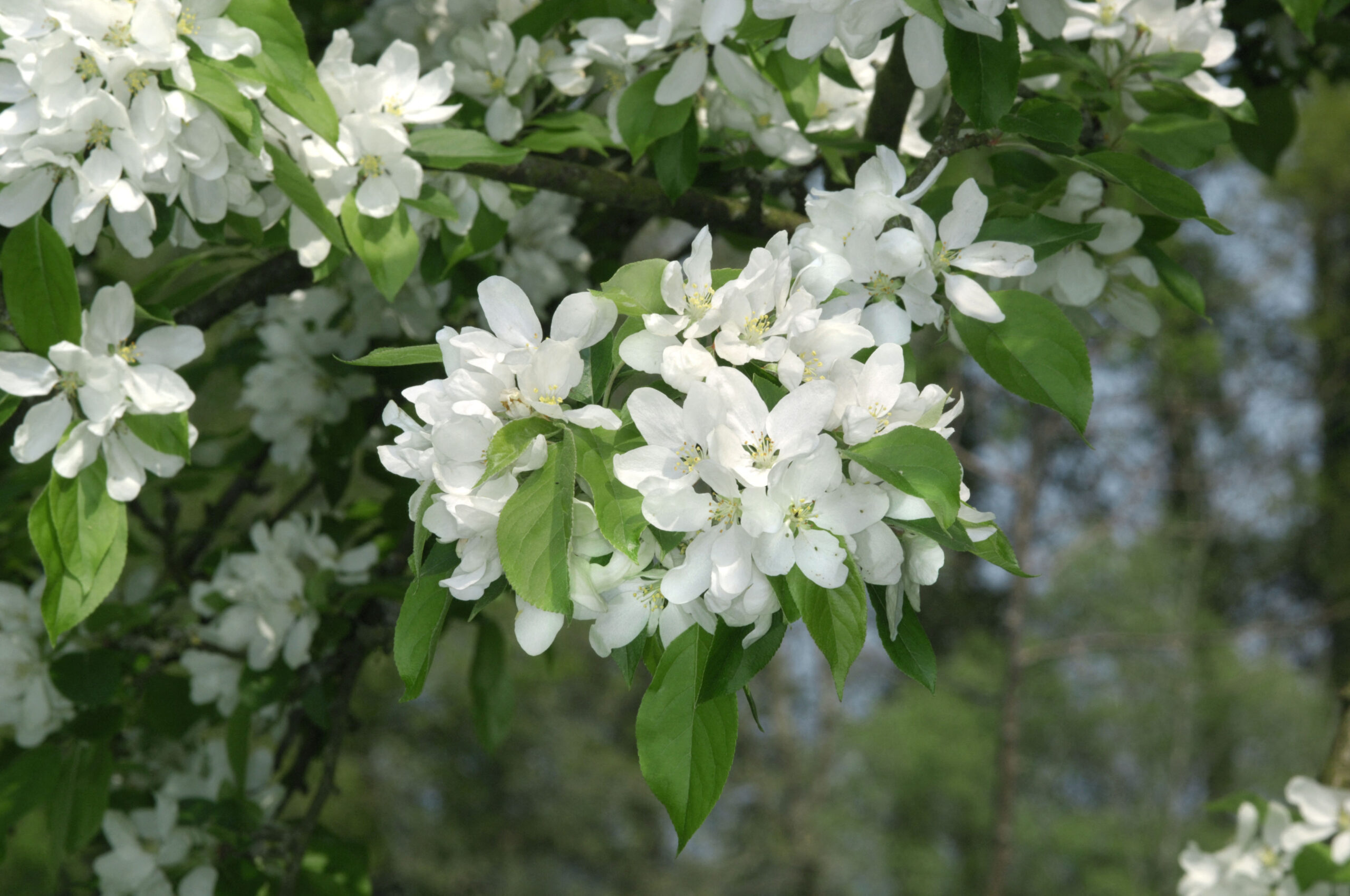
- Flower Colour: White flushed with pink
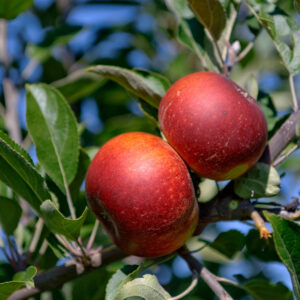
- Fruit: Small, oval, orange-red and yellow crab apples; highly ornamental and excellent for jelly; ripen September–October
- Foliage: Mid-green, turning yellow in autumn
- Hardiness: RHS H6 (hardy throughout UK & Ireland)
- Soil Requirements: Moist, well-drained, moderately fertile
- Aspect: Full sun to partial shade
- Maintenance: Low to moderate (annual pruning to maintain form)
Description
Malus ‘John Downie’ is a classic crab apple, beloved for its abundant spring blossom and heavy crops of striking, oval orange-red fruit that light up the autumn garden. Grown here in elegant half-standard form, it features a clear stem topped with a rounded head—perfect for adding height, structure, and a touch of formality to borders, lawns, or as a focal point in smaller gardens.
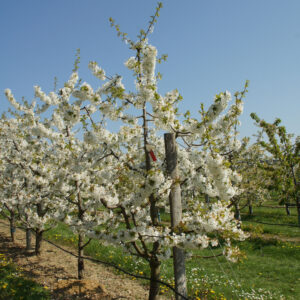
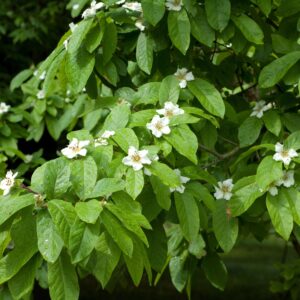
In spring, the tree is covered in generous clusters of white flowers, softly flushed with pink, attracting pollinators and providing a wonderful seasonal display. As summer fades, the tree becomes studded with small, oval fruits—orange-red with golden highlights—that hang well into autumn. These crab apples are not only beautiful but also ideal for making delicious crab apple jelly.
‘John Downie’ is a robust, disease-resistant variety, thriving in most Irish and UK gardens. Its half-standard form makes it easy to underplant with bulbs, perennials, or low shrubs for a layered look, and the clear stem allows for easy maintenance and mowing beneath.
Caragh Garden Notebook
Planting:
Space trees 2.5–3m apart for half-standards. Plant container-grown or bare-root trees in late autumn to early spring (November–March). Choose a sunny, sheltered site with fertile, well-drained soil. Avoid waterlogged areas and frost pockets. Dig a generous hole, incorporate well-rotted compost, and plant at the same depth as in the nursery. Firm soil, water well, and mulch to retain moisture.
Space trees 2.5–3m apart for half-standards. Plant container-grown or bare-root trees in late autumn to early spring (November–March). Choose a sunny, sheltered site with fertile, well-drained soil. Avoid waterlogged areas and frost pockets. Dig a generous hole, incorporate well-rotted compost, and plant at the same depth as in the nursery. Firm soil, water well, and mulch to retain moisture.
Soil Preparation:
Prefers moderately fertile, moist but well-drained soil; pH 6.0–7.0 is ideal. Improve poor soils with compost or well-rotted manure before planting.
Prefers moderately fertile, moist but well-drained soil; pH 6.0–7.0 is ideal. Improve poor soils with compost or well-rotted manure before planting.
Pruning & Care:
Minimal pruning is needed—just remove any dead, damaged, or crossing branches in late winter or early spring. Lightly thin the crown to maintain shape and allow good airflow. Maintain the clear stem by removing any shoots from the trunk as they appear.
Minimal pruning is needed—just remove any dead, damaged, or crossing branches in late winter or early spring. Lightly thin the crown to maintain shape and allow good airflow. Maintain the clear stem by removing any shoots from the trunk as they appear.
Fruit Use:
The small, vividly coloured fruits are ideal for making crab apple jelly and add a splash of autumn colour. Leave some fruit on the tree for birds and winter interest.
The small, vividly coloured fruits are ideal for making crab apple jelly and add a splash of autumn colour. Leave some fruit on the tree for birds and winter interest.
Pests & Problems:
Generally reliable and disease resistant, but watch for aphids and apple scab. Good hygiene and regular checks help keep trees healthy.
Generally reliable and disease resistant, but watch for aphids and apple scab. Good hygiene and regular checks help keep trees healthy.
Related products
-

Prunus avium ‘regina’
Price range: £30.00 through £60.00 Select options This product has multiple variants. The options may be chosen on the product page -
Ficus carica Goutte de Miel
£120.00 Select options This product has multiple variants. The options may be chosen on the product page -
Mespilus Germanica Westerveld specimen multistem
£470.00 Select options This product has multiple variants. The options may be chosen on the product page -
Malus domestica ‘Ingrid Marie’
Read more