

Acer palmatum Atropurpureum
Price range: £120.00 through £140.00
Frequently Bought Together

Description
Quick Facts
Botanical Name: Acer palmatum ‘Atropurpureum’
Common Name: Japanese Maple ‘Atropurpureum’
Plant Type: Deciduous ornamental tree/shrub
Position: Partial shade / sheltered spot (will take sun if soil stays moist)
Soil: Moist, well-drained, slightly acidic to neutral
Ultimate Height/Spread: Approx. 3–5m x 3–5m (slow growing)
Growth Rate: Slow to moderate
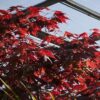
Foliage: Deep burgundy-red, finely cut leaves; rich autumn colour
Hardiness: Hardy in Ireland & the UK (protect from harsh winds)
Common Name: Japanese Maple ‘Atropurpureum’
Plant Type: Deciduous ornamental tree/shrub
Position: Partial shade / sheltered spot (will take sun if soil stays moist)
Soil: Moist, well-drained, slightly acidic to neutral
Ultimate Height/Spread: Approx. 3–5m x 3–5m (slow growing)
Growth Rate: Slow to moderate
Foliage: Deep burgundy-red, finely cut leaves; rich autumn colour
Hardiness: Hardy in Ireland & the UK (protect from harsh winds)
A little tree that changes the whole feel of a garden
There’s something quietly magical about Acer palmatum ‘Atropurpureum’. The foliage opens in spring in that unmistakable wine-red, holds its colour beautifully through summer, then finishes with a final flourish of fiery tones in autumn. Even in winter, the delicate branching gives structure and elegance — like natural sculpture.
Perfect for smaller gardens, courtyards, and pots, this is one of those plants that instantly makes a space feel considered and calm. Place it where you’ll see it often — from a kitchen window, beside a patio, or at the turn of a path — and it will reward you for years.
Where it thrives best
Japanese maples love a sheltered position away from strong winds (which can scorch the leaves). Dappled shade is ideal, especially in hotter or exposed gardens, though it can cope with more sun if the soil stays evenly moist. Avoid waterlogged ground — good drainage is key.
Styling ideas
- Underplant with ferns, hostas, heucheras, or spring bulbs for a layered, woodland feel
- Pair with pale stone, gravel, or dark pots to make the foliage colour sing
- Beautiful beside water features or in a Japanese-inspired corner
Caragh Garden Notebook
- Watering: Keep well-watered in the first 1–2 seasons, especially in dry spells and if grown in a pot.
- Mulch: A generous mulch of bark or leaf mould helps keep roots cool and moist.
- Pruning: Minimal pruning needed — simply remove any dead, damaged, or crossing branches in late winter.
- Top tip: Protect from late frosts in spring if it’s in a very exposed spot (new growth can be tender).
Related products
-

Acer palmatum Japanese Sunrise
£275.00 Select options This product has multiple variants. The options may be chosen on the product page -
Acer palm. ‘Kogane Nishiki’
£1,050.00 Select options This product has multiple variants. The options may be chosen on the product page -
Acer Osakazuki / Japanese Maple
Price range: £295.00 through £1,050.00 Select options This product has multiple variants. The options may be chosen on the product page -
Acer palmatum ‘Beni Maiko’
£1,200.00 Select options This product has multiple variants. The options may be chosen on the product page