Ceanothus burkwoodii
£22.00
Frequently Bought Together



Description
Quick Facts
- Common Name: California Lilac, Burkwood Ceanothus
- Botanical Name: Ceanothus × burkwoodii
- Plant Type: Evergreen shrub
- Mature Height: 1.5–2.5m
- Mature Spread: 1.5–2.5m
- Flowering Period: May to June (sometimes a lighter flush later)
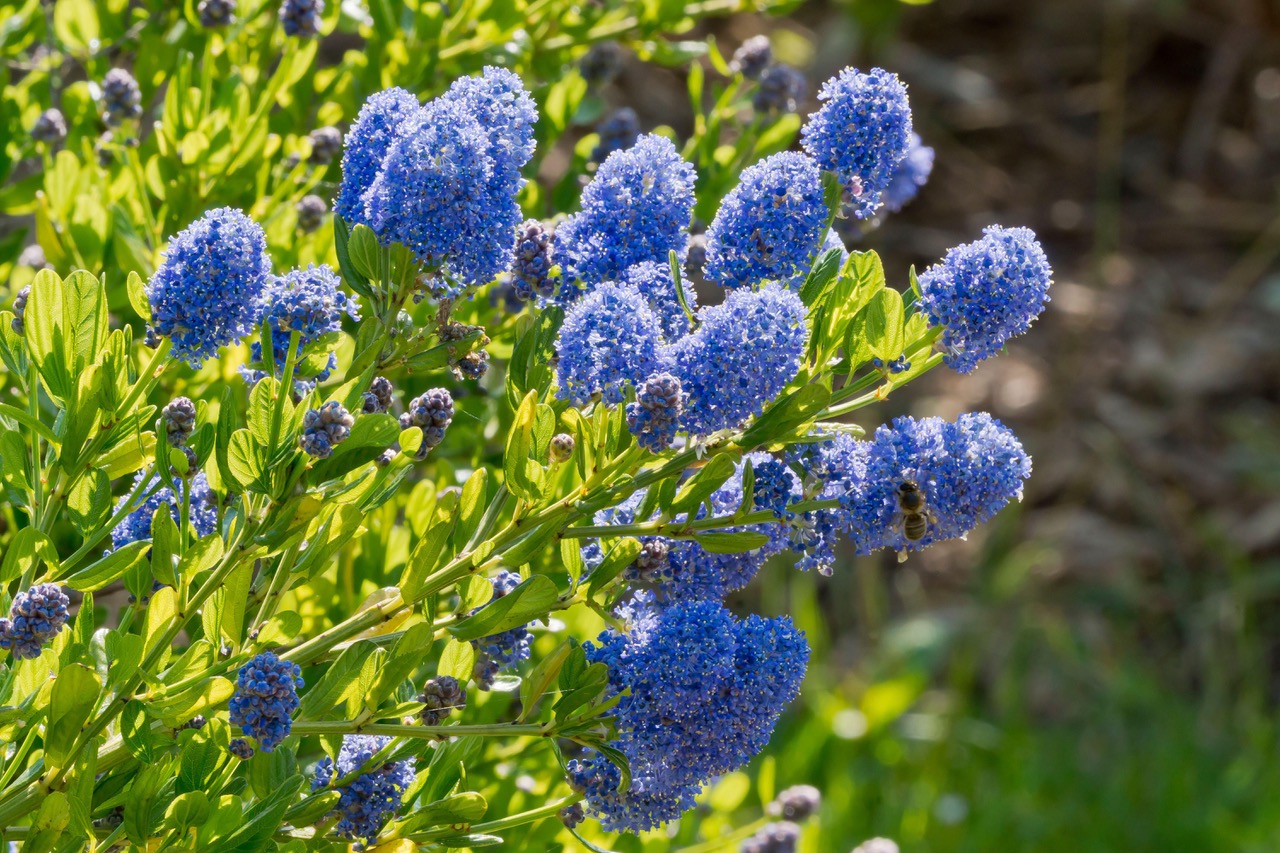
- Flower Colour: Soft blue to lavender-blue flower clusters
- Foliage: Small, glossy, dark green evergreen leaves
- Hardiness: RHS H4 (best in sheltered, well-drained sites)
- Soil Requirements: Well-drained soil; tolerates poorer soils once established
- Aspect: Full sun (best flowering) to light shade
- Maintenance: Low to moderate (light pruning after flowering)
Description
Ceanothus × burkwoodii is a wonderfully generous evergreen shrub, loved for its glossy foliage and its clouds of soft blue flowers that arrive in late spring like a breath of fresh air. When it blooms, it has that unmistakable California lilac look—hazy, fragrant, and full of movement—bringing a Mediterranean lift to borders and sunny corners just as the garden is gathering pace.
The flower clusters sit beautifully against the small, dark green leaves, creating a clean, bright contrast that feels both relaxed and refined. It’s a brilliant shrub for adding structure year-round, then switching on the colour with a big seasonal moment. Bees adore it, too—on a warm day you’ll hear it humming, which always makes a garden feel healthier and more alive.
In Irish and UK gardens, the secret to success is choosing the right spot. Give Ceanothus × burkwoodii full sun, shelter from cold winds, and excellent drainage, and it will reward you with strong growth and reliable flowering. It’s especially effective near a wall, in a courtyard, or in a warm border where it can soak up heat and stay protected through winter.
Caragh Garden Notebook
Planting:
Space plants 1.5–2m apart to allow a full, rounded shrub to develop. Plant container-grown specimens in spring (March–May) or early autumn (September) so roots establish before winter. Choose a position in full sun for the best flowering, ideally with shelter (a south- or west-facing wall is perfect). Dig a wide hole and avoid over-feeding; ceanothus prefers leaner soils and can produce soft growth if over-fertilised. Ensure excellent drainage—if your soil is heavy, improve with grit and plant slightly proud (on a small mound) to keep the crown out of winter wet. Plant at the same depth as in the pot, firm in gently, water well, and mulch lightly (keep mulch away from the main stem).
Space plants 1.5–2m apart to allow a full, rounded shrub to develop. Plant container-grown specimens in spring (March–May) or early autumn (September) so roots establish before winter. Choose a position in full sun for the best flowering, ideally with shelter (a south- or west-facing wall is perfect). Dig a wide hole and avoid over-feeding; ceanothus prefers leaner soils and can produce soft growth if over-fertilised. Ensure excellent drainage—if your soil is heavy, improve with grit and plant slightly proud (on a small mound) to keep the crown out of winter wet. Plant at the same depth as in the pot, firm in gently, water well, and mulch lightly (keep mulch away from the main stem).
Soil Preparation:
Drainage is essential. Prefers well-drained soil and dislikes waterlogging, especially in winter. Tolerates poor, sandy, or stony soils once established. Neutral to slightly alkaline soil is fine. Avoid heavy clay unless improved with grit and organic matter, or plant on a raised mound. Once established, it is reasonably drought-tolerant.
Drainage is essential. Prefers well-drained soil and dislikes waterlogging, especially in winter. Tolerates poor, sandy, or stony soils once established. Neutral to slightly alkaline soil is fine. Avoid heavy clay unless improved with grit and organic matter, or plant on a raised mound. Once established, it is reasonably drought-tolerant.
Seasonal Care:
Water regularly in the first growing season. After establishment, water only during prolonged dry spells. Avoid heavy feeding—too much nitrogen encourages lush growth that is more vulnerable to cold. After flowering (early summer), lightly prune to maintain shape and encourage bushier growth next year. Do not cut back hard into old wood, as ceanothus can struggle to regrow from bare stems. Remove any dead or damaged growth in spring once you can see what has come through winter cleanly.
Water regularly in the first growing season. After establishment, water only during prolonged dry spells. Avoid heavy feeding—too much nitrogen encourages lush growth that is more vulnerable to cold. After flowering (early summer), lightly prune to maintain shape and encourage bushier growth next year. Do not cut back hard into old wood, as ceanothus can struggle to regrow from bare stems. Remove any dead or damaged growth in spring once you can see what has come through winter cleanly.
Winter Care (Especially in Exposed Gardens):
RHS H4 means it’s best suited to milder, sheltered sites. Cold winds and winter wet are the main causes of failure, not cold alone. Planting near a wall and ensuring sharp drainage makes a huge difference. Young plants can be protected with breathable fleece during severe cold snaps.
RHS H4 means it’s best suited to milder, sheltered sites. Cold winds and winter wet are the main causes of failure, not cold alone. Planting near a wall and ensuring sharp drainage makes a huge difference. Young plants can be protected with breathable fleece during severe cold snaps.
Pests & Problems:
Generally trouble-free. The main risk is dieback after a harsh winter or in poorly drained soil. Good drainage, shelter, and light pruning (not hard cutting back) prevent most issues.
Generally trouble-free. The main risk is dieback after a harsh winter or in poorly drained soil. Good drainage, shelter, and light pruning (not hard cutting back) prevent most issues.
Propagation:
Propagate from semi-ripe cuttings in late summer. (Nursery plants give the quickest impact and best reliability.)
Propagate from semi-ripe cuttings in late summer. (Nursery plants give the quickest impact and best reliability.)
Related products
-

Acer palm. ‘Jerre Schwartz’
£135.00 Select options This product has multiple variants. The options may be chosen on the product page -
Acacia dealbata / Mimosa Tree
Price range: £210.00 through £1,050.00 Select options This product has multiple variants. The options may be chosen on the product page -
Abies nordmanniana / Nordmann Fir
Price range: £350.00 through £450.00 Select options This product has multiple variants. The options may be chosen on the product page -
Acer dissectum Garnet / Japanese Maple
Price range: £145.00 through £950.00 Select options This product has multiple variants. The options may be chosen on the product page