
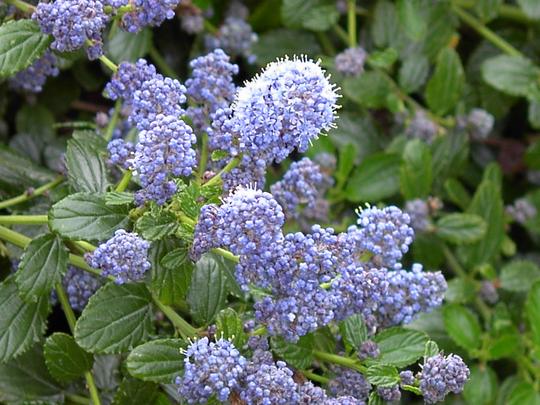
Ceanothus thyrsif. repens
£22.00
Frequently Bought Together


Description
Quick Facts
- Common Name: Creeping California Lilac, Prostrate Ceanothus
- Botanical Name: Ceanothus thyrsiflorus var. repens
- Plant Type: Evergreen ground cover shrub
- Mature Height: 30–60cm
- Mature Spread: 1.5–3m
- Flowering Period: April to June
- Flower Colour: Deep blue to violet-blue flower clusters
- Foliage: Small, glossy, dark green evergreen leaves
- Hardiness: RHS H4 (hardy in mild areas; best in sheltered sites)
- Soil Requirements: Well-drained soil; tolerates poor soils once established
- Aspect: Full sun (essential for best flowering)
- Maintenance: Low to moderate (light pruning after flowering)
Description
Ceanothus thyrsiflorus var. repens is one of those plants that makes a garden feel instantly more alive. Low, spreading, and evergreen, it forms a dense carpet of glossy foliage—then, in late spring, it erupts into rich blue flower clusters that look almost too vivid to be real. When it’s in bloom, it’s a showstopper: a sea of blue that hums with bees and brings a Mediterranean lift to borders, banks, and sunny slopes.
This creeping form is especially valuable because it gives you that classic ceanothus colour without taking up vertical space. It’s perfect for spilling over walls, softening the edge of paths, or covering difficult sunny banks where you want something tough, beautiful, and weed-suppressing. The evergreen leaves stay neat all year, creating a tidy, textured ground cover even when it’s not flowering.
In Irish and UK gardens, the key to success is simple: sun, shelter, and drainage. Give it a warm, protected position (especially away from cold winds), and it will reward you with a long-lasting, intensely blue display that feels like a little slice of California in your own garden.
Caragh Garden Notebook
Planting:
Space plants 1–1.5m apart for ground cover (they will spread with time). Plant container-grown specimens in spring (March–May) or early autumn (September) so roots establish before winter. Choose a position in full sun—this is essential for strong growth and heavy flowering. A sheltered spot (against a wall, in a courtyard, or on a warm bank) is ideal, particularly in colder or more exposed gardens. Dig a wide hole and avoid over-enriching the soil; ceanothus prefers leaner conditions. Ensure excellent drainage—if your soil is heavy, plant on a slight mound and add grit to the planting mix. Plant at the same depth as in the pot, firm in gently, water well, and mulch lightly (keep mulch away from the stem).
Space plants 1–1.5m apart for ground cover (they will spread with time). Plant container-grown specimens in spring (March–May) or early autumn (September) so roots establish before winter. Choose a position in full sun—this is essential for strong growth and heavy flowering. A sheltered spot (against a wall, in a courtyard, or on a warm bank) is ideal, particularly in colder or more exposed gardens. Dig a wide hole and avoid over-enriching the soil; ceanothus prefers leaner conditions. Ensure excellent drainage—if your soil is heavy, plant on a slight mound and add grit to the planting mix. Plant at the same depth as in the pot, firm in gently, water well, and mulch lightly (keep mulch away from the stem).
Soil Preparation:
Drainage is everything. Prefers well-drained soil and dislikes winter wet. Tolerates poor, stony, or sandy soils very well once established. Avoid heavy clay unless improved with grit and organic matter, or plant on a raised mound. Neutral to slightly alkaline soil is fine. Once established, it is relatively drought-tolerant.
Drainage is everything. Prefers well-drained soil and dislikes winter wet. Tolerates poor, stony, or sandy soils very well once established. Avoid heavy clay unless improved with grit and organic matter, or plant on a raised mound. Neutral to slightly alkaline soil is fine. Once established, it is relatively drought-tolerant.
Seasonal Care:
Water regularly in the first growing season. Once established, water only during prolonged dry spells. Avoid heavy feeding—too much nitrogen encourages soft growth that is more vulnerable to cold. After flowering (early summer), lightly trim to keep it tidy and encourage bushier growth. Do not cut back hard into old wood, as ceanothus can struggle to regrow from bare stems.
Water regularly in the first growing season. Once established, water only during prolonged dry spells. Avoid heavy feeding—too much nitrogen encourages soft growth that is more vulnerable to cold. After flowering (early summer), lightly trim to keep it tidy and encourage bushier growth. Do not cut back hard into old wood, as ceanothus can struggle to regrow from bare stems.
Winter Protection (Worth Doing in Exposed Sites):
In colder, windier gardens, choose the most sheltered microclimate you have. A south- or west-facing wall is ideal. In very harsh winters, young plants may benefit from a breathable fleece during cold snaps.
In colder, windier gardens, choose the most sheltered microclimate you have. A south- or west-facing wall is ideal. In very harsh winters, young plants may benefit from a breathable fleece during cold snaps.
Pests & Problems:
Generally trouble-free. The main risk is winter wet and exposure, which can cause dieback. Good drainage and shelter prevent most issues.
Generally trouble-free. The main risk is winter wet and exposure, which can cause dieback. Good drainage and shelter prevent most issues.
Propagation:
Propagate from semi-ripe cuttings in late summer. (Nursery plants give the quickest impact and best reliability.)
Propagate from semi-ripe cuttings in late summer. (Nursery plants give the quickest impact and best reliability.)
Related products
-

Acer palm. ‘Shaina’
£75.00 Select options This product has multiple variants. The options may be chosen on the product page -
Acer Osakazuki / Japanese Maple
Price range: £295.00 through £1,050.00 Select options This product has multiple variants. The options may be chosen on the product page -
Acer dissectum Garnet / Japanese Maple
Price range: £145.00 through £950.00 Select options This product has multiple variants. The options may be chosen on the product page -
Abies veitchii Umbrella Form
£1,950.00 Select options This product has multiple variants. The options may be chosen on the product page